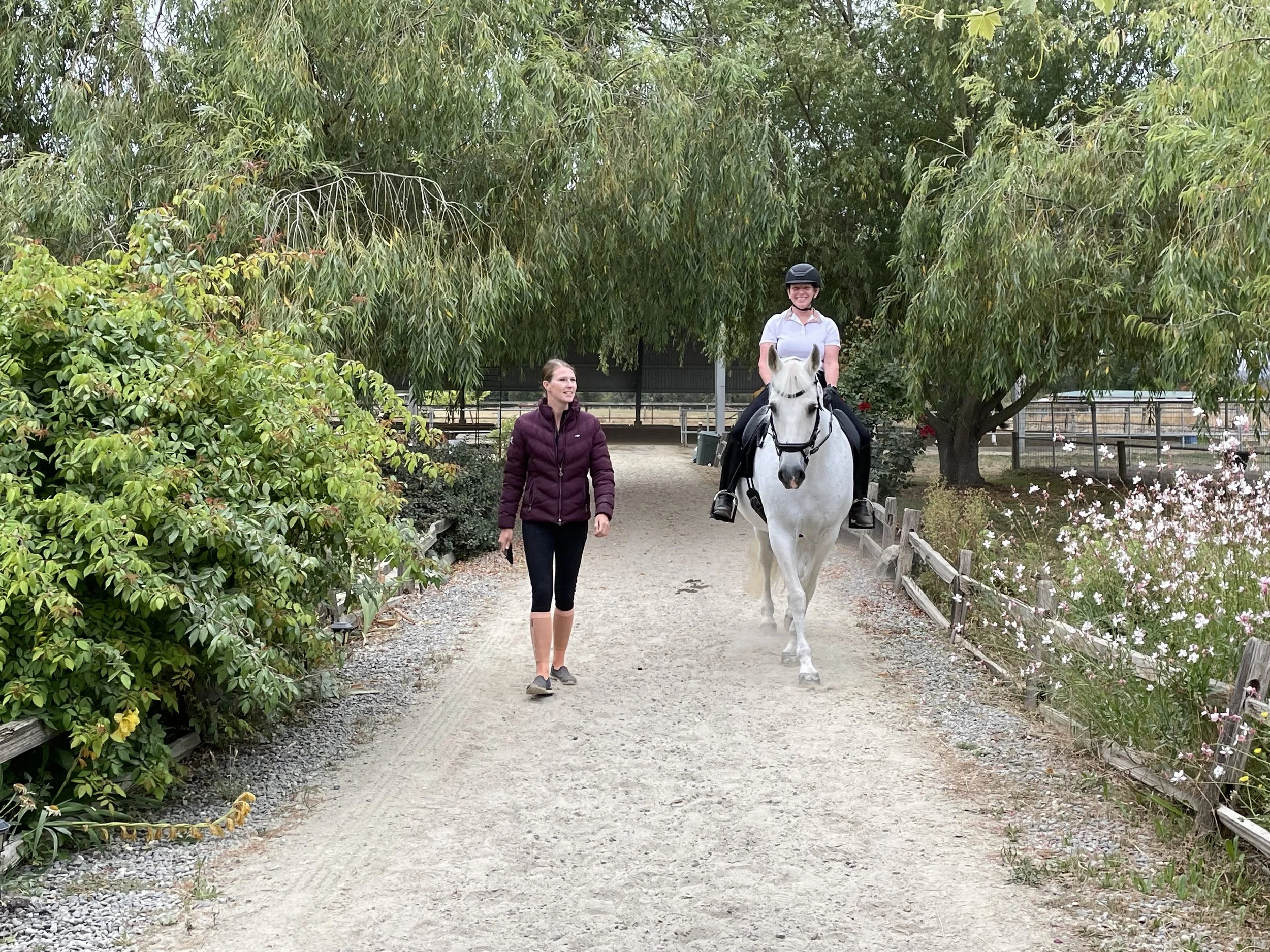
THE TRAINING BEHIND THE PERFORMANCE
Dressage asks two athletes to develop a shared language. Balance, strength and technique matter—but so do feel, understanding, and the ability to listen to the horse beneath you.
When horse and rider understand one another, the quality of the performance becomes a reflection of the training behind it.
TRAINING AT RIANA PORTER DRESSAGE
Every horse and rider comes into training with different strengths, challenges and goals. The training is shaped around the individual pair, building the balance, strength, understanding and technique they need to progress in their dressage development.
Whether your goals include competition, progressing through the levels, or simply becoming a better dressage rider while developing a stronger partnership with your horse, the foundation remains the same: correct training that develops both horse and rider together.
The goal is to develop independent riders who understand what they’re feeling, why it’s happening, and how to make thoughtful adjustments—giving them the knowledge and confidence to continue developing their horse.
Where the Training Begins
Before I think about movements, I look at the horse in front of me—their habits, demeanor, balance, straightness, asymmetries, and the way they naturally use their body.
Conformation helps us understand a horse’s strengths, challenges, and potential limitations. From there, the goal is to develop the body in front of us—building strength, straightness, and balance while allowing each horse to progress toward their individual potential.
That is where the dressage begins.
The Rider Is Part of the Equation
A horse can only be as balanced and adjustable as the rider. Riders have their own asymmetries, habits and patterns, and learning to recognize and change those is as much a part of training as developing the horse.
Developing feel means learning to recognize not only what is happening beneath you, but how your own position, balance and timing are influencing it. As riders become more aware of their own bodies, they become better able to make clear, thoughtful adjustments for the horse.
The goal is to develop a rider who can understand what they're feeling, recognize why it's happening, and increasingly make those adjustments on their own.
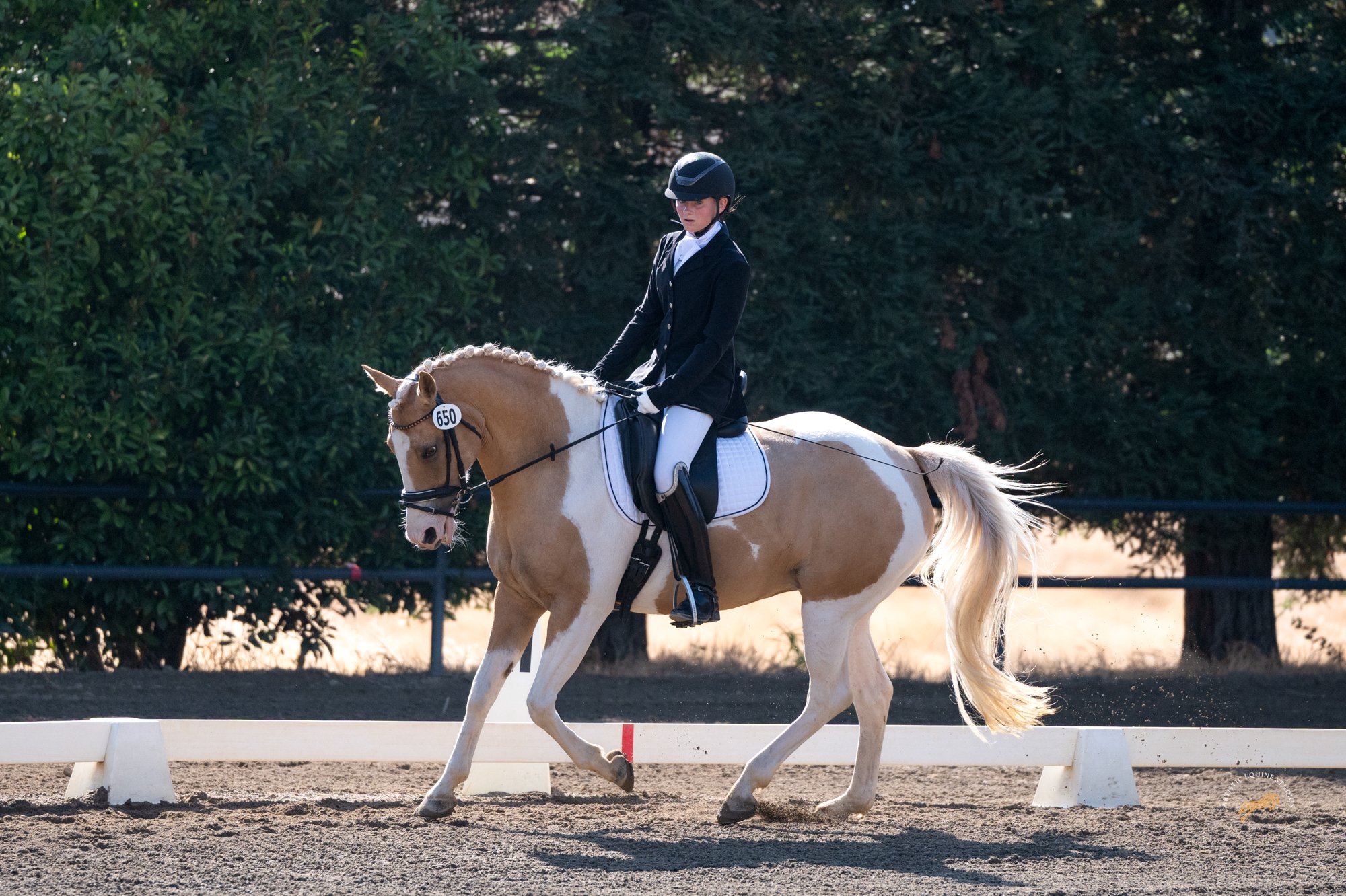
RP Dressage junior rider
Patience is the fastest route to success.
Coordination, balance and strength take time to develop. Correct repetition allows understanding to become coordination, and coordination to develop into strength. What we repeat matters—the bodies of both horse and rider can learn poor mechanics just as quickly as good ones.
The right exercise isn't always the movement you're trying to improve. Sometimes progress comes from stepping away from the movement itself and developing the balance, coordination or understanding it requires.
Repetition is essential, but it has to be purposeful. Sometimes that means repeating an exercise until the response becomes clear and the mechanics become familiar. Other times, it means changing the exercise or the explanation while continuing to develop the same fundamental skill.
Footwork comes first, then strength…
PATIENCE & REPETITION
WHEN THE PIECES COME TOGETHER
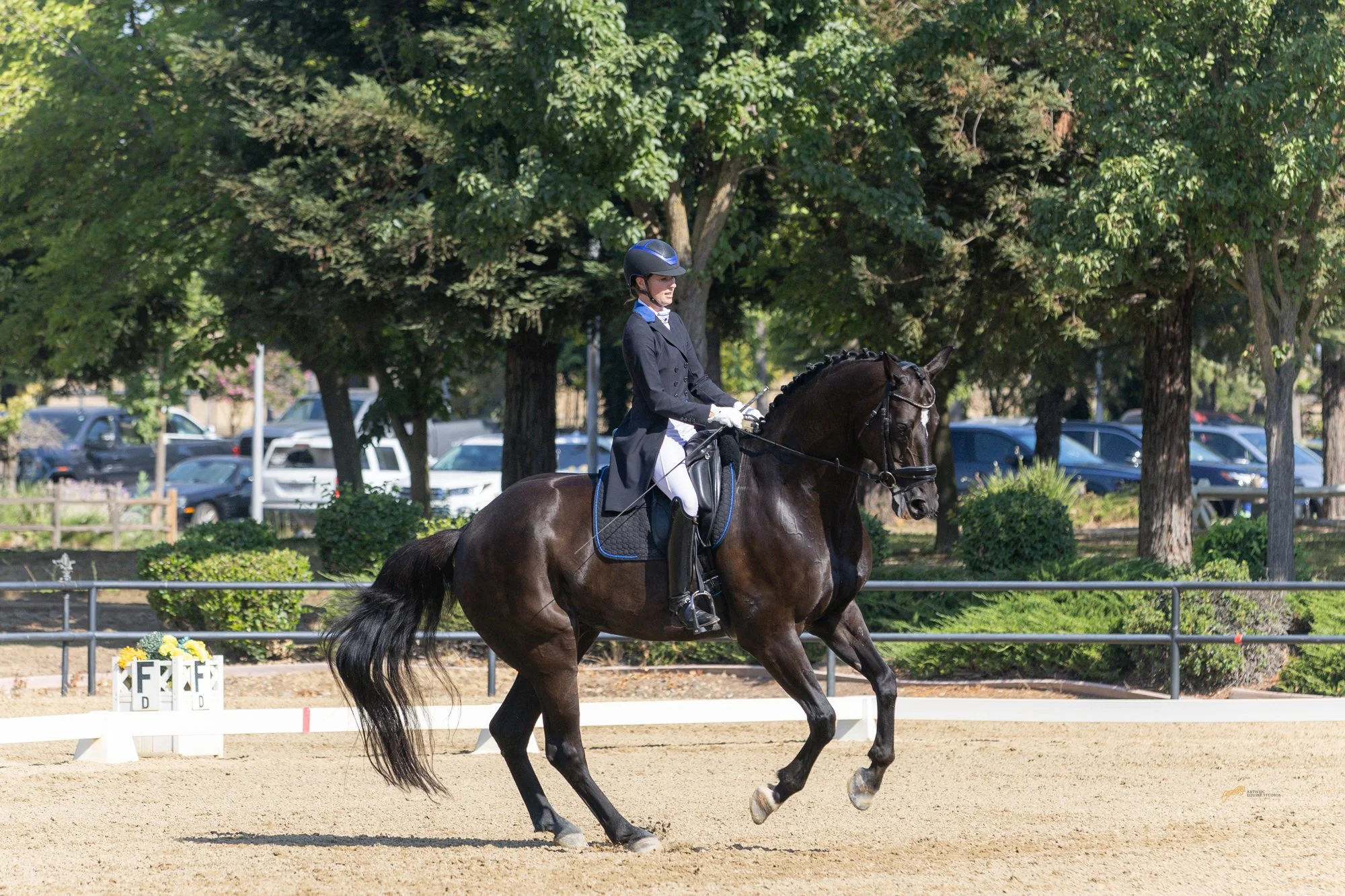
The goal of all of this isn’t simply a horse that can perform more advanced movements. It’s a horse and rider who understand each other well enough that the work becomes quieter, clearer and more confident.
That same communication carries into competition. I want a pair to enter the arena prepared to give their personal best, confident in the work they’ve done and able to let the quality of their training speak for itself.